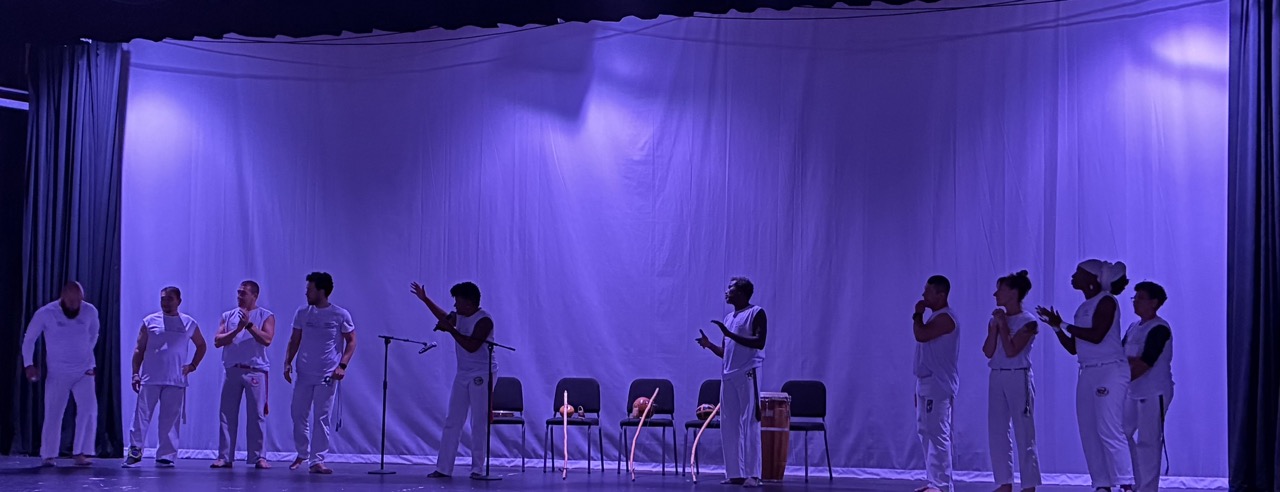
When I visited Austin for the first time since moving away four years ago, I took a capoeria class. Although I nearly had a heart attack since I was out of capoeira practice, I enjoyed reconnecting with my former capoeira teacher.
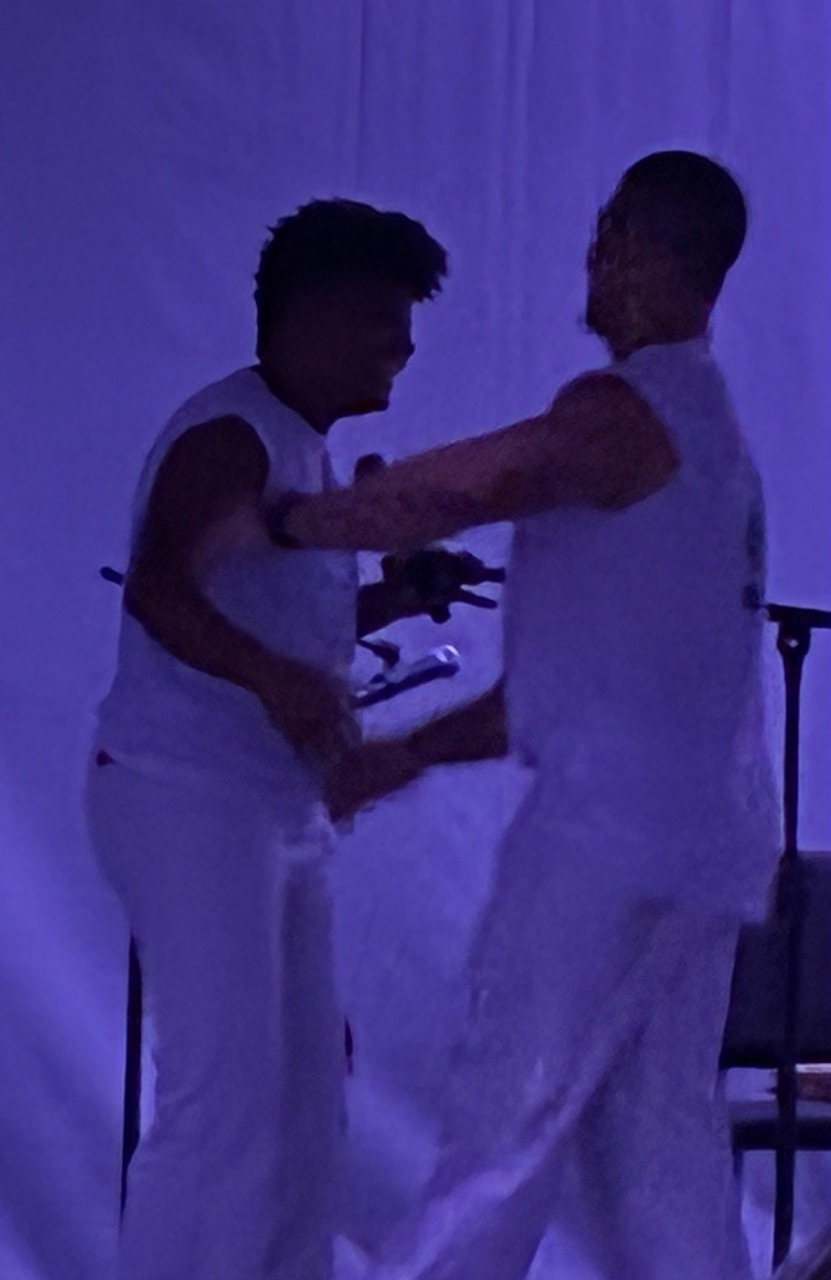
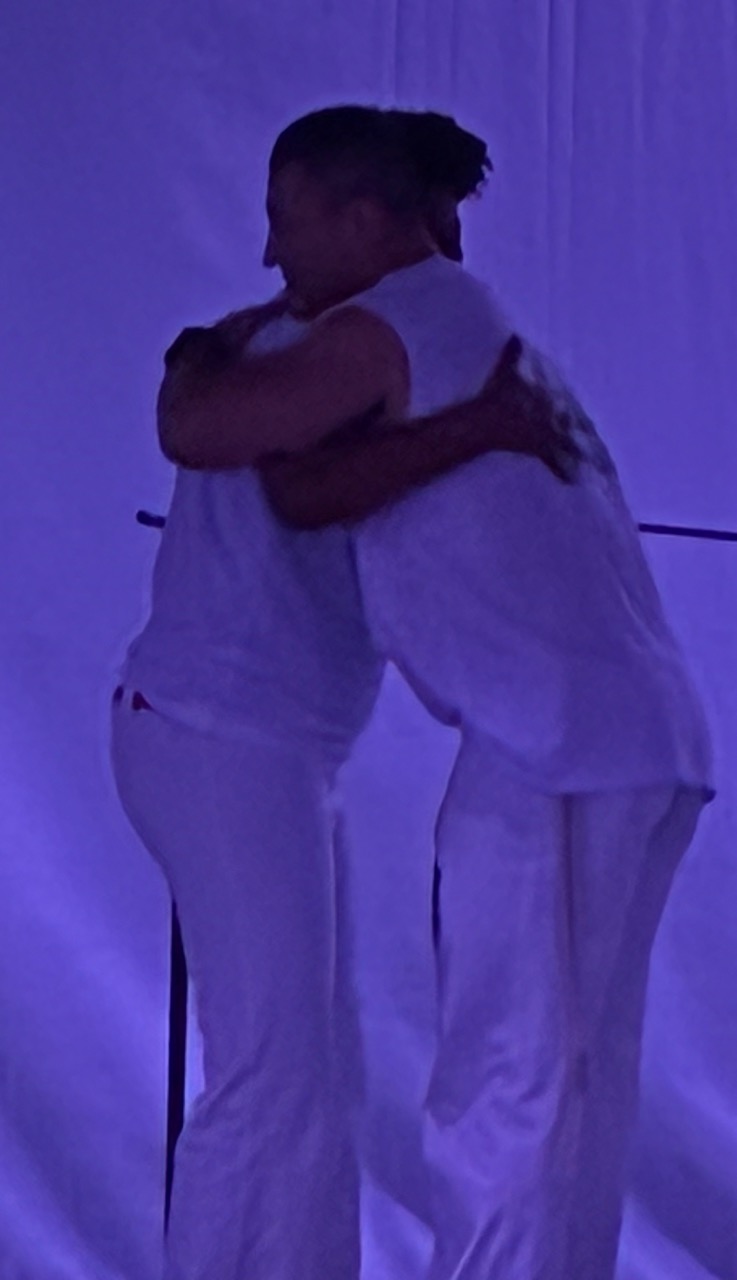
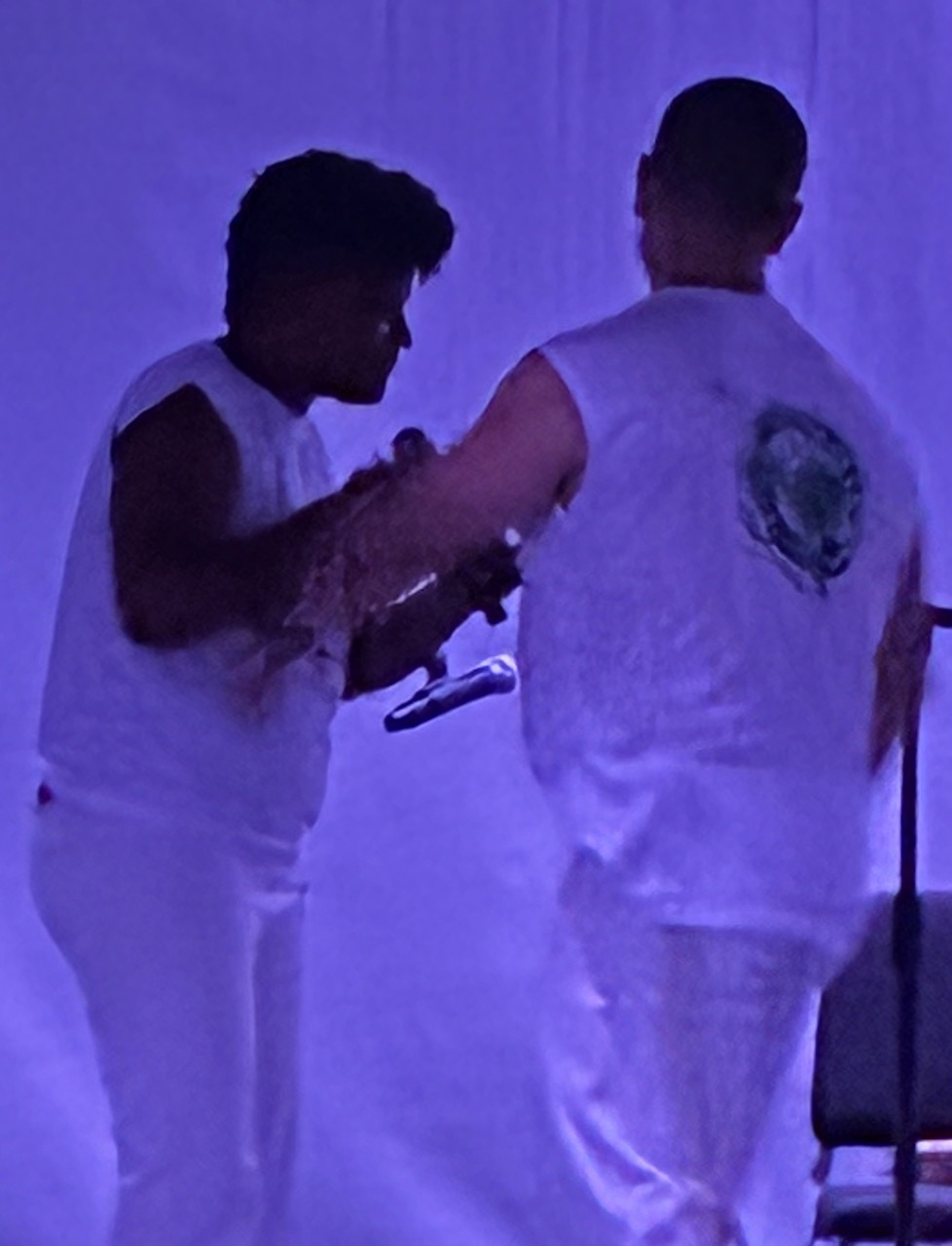
At that time, he told me of a capoeira event that would take place in October only 90 minutes away from where I lived. I knew in May that I’d attend the event. I had been looking forward to not only seeing my teacher, but being in the presence of a culture that had been such a tremendous part of my life for over a decade.
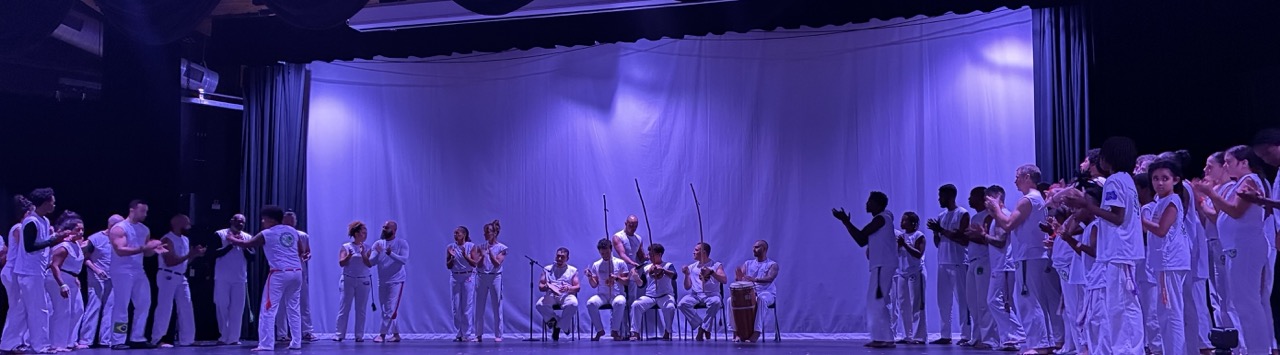
Fortunately, one of my friends joined me, which gave me the opportunity to explain some of the things that happened. As the the distinct sounds of the berimbau enveloped the room, I explained that there were three of those instruments for high, medium and low tones, and the capoeirista in the middle initiated the songs, the other two joined in, then the drum and finally the tambourine.
Only thing, I couldn’t think of the word “tambourine” in English. I kept wanting to call it a “pandeiro,” which is the Portuguese word for the instrument.
The only capoeirista I knew was my former teacher, but I captured the mestra’s first game. She’d been a capoeirista for 40 years, which is a rare accomplishment for a woman in a male-dominated sport.
Of course, I recorded my mestre’s game.
Thank goodness I captured his second game.
As soon as my friend saw my mestre backflip, she leaned over and requested that I share that video. When I trained with his group, we’d spend one day a week at a trampoline gym to work on our acrobatics. Not every group has that emphasis, so his game looked distinctly different than everyone else there.
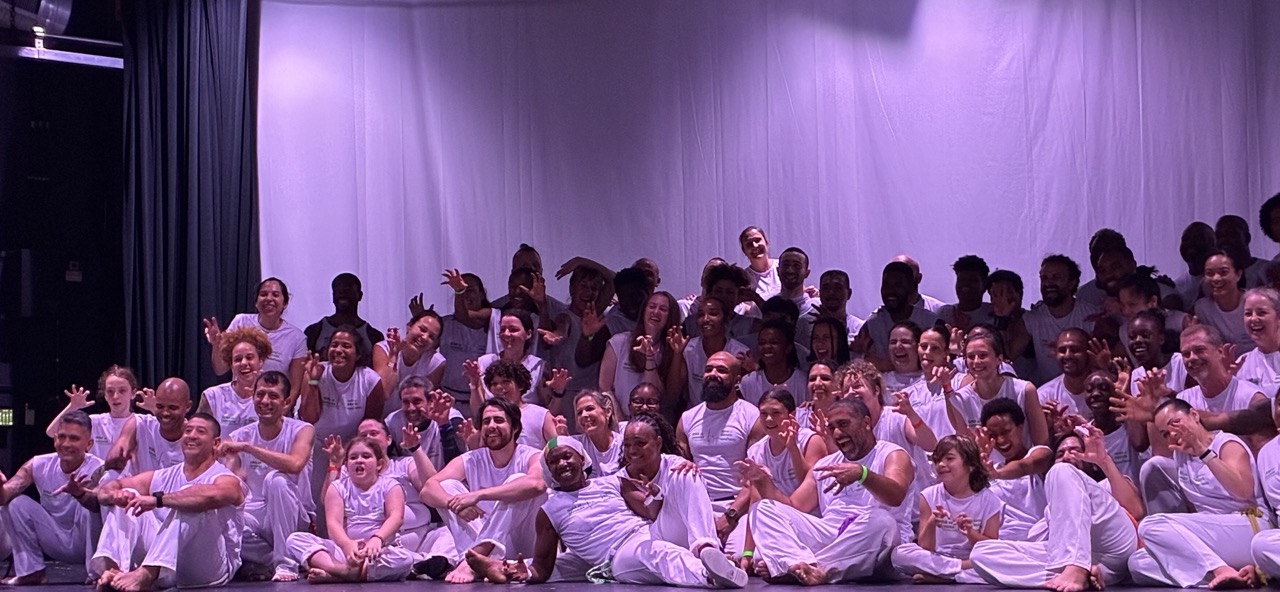
After all the capoeiristas who were moving up to the next level, as noted by their belt (corda) change, the higher cordas had a grand finale with three rodas on stage. I was anxious enough watching just one roda because a player could have easily fallen off the stage.
“Roda” means “wheel or circle,” which describes the shape the other capoeiristas make around the players who are sparring. For the sake of a performance, they open one side of the roda for the audience.
The setting was already risky with one game being played on stage, but three simultaneous games meant that in addition to the risk of falling off the stage, there was the added risk of being hurt by another capoeirista from an adjacent game. That’s how I broke my left ankle during capoeira class back in 2013.
Afterwards, we ate at a local Mediterranean restaurant, which adhered to both of my requirements of no national chains or restaurants with the word “family” in its name.
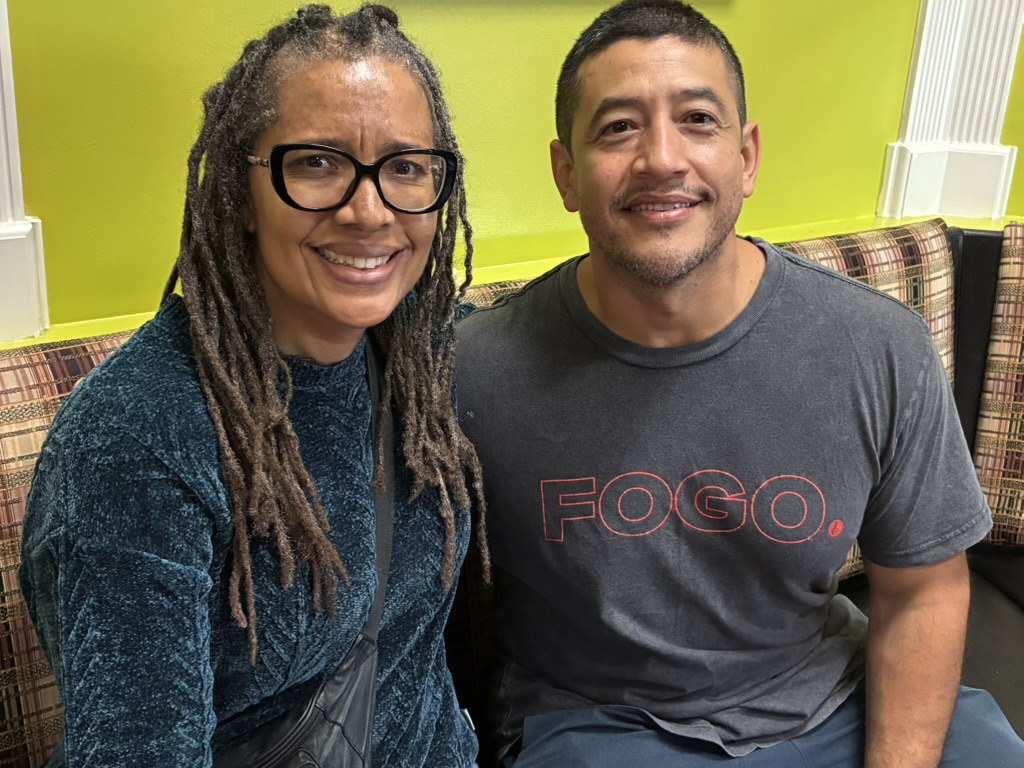
For a day trip, it lasted the perfect amount of time. I’m so happy that we didn’t reminisce too much about the past since that tends to feel as if acknowledging that the best days are over. In reality, I struggled back then with money and the insecurities that brings and I still do.
The point is, I manage to do creative and fulfilling things as I’ve always done. Now that the robots are going to kill us all within a decade, I’m more mindful of living happily ever after from reconnecting with out-of-town friends to finding the joy in every day life.